




As demand for clean drinking water rises in Nigeria, establishing an automated water bottle factory can be a lucrative venture. With proper planning, automation, and compliance, you can launch a highly efficient production line that meets local and international standards. Here’s a guide to help you get started.
1. Research Market and Regulatory Requirements
- Understand Market Demand: Assess demand by evaluating local and regional consumption trends. Analyze your potential customer base, including households, offices, and retail outlets.
- Comply with Regulations: Research Nigerian regulations for bottled water production. Key agencies include the National Agency for Food and Drug Administration and Control (NAFDAC) and the Standards Organisation of Nigeria (SON), which have specific guidelines for water purity and factory operations.
2. Develop a Business Plan and Secure Funding
- Create a Detailed Business Plan: Outline production goals, budget, target market, and pricing strategy. Factor in costs for land, equipment, raw materials, labor, and regulatory compliance.
- Explore Funding Options: Consider government grants, bank loans, or venture capital to fund equipment, construction, and initial operations.
3. Identify a Suitable Location
- Site Requirements: The factory should be near a reliable water source and accessible to suppliers and distributors. Make sure the location is compliant with zoning laws for industrial use.
- Infrastructure Needs: Assess access to electricity, water, and transportation networks. Backup generators are essential due to power instability in some areas.
4. Invest in Automation Equipment
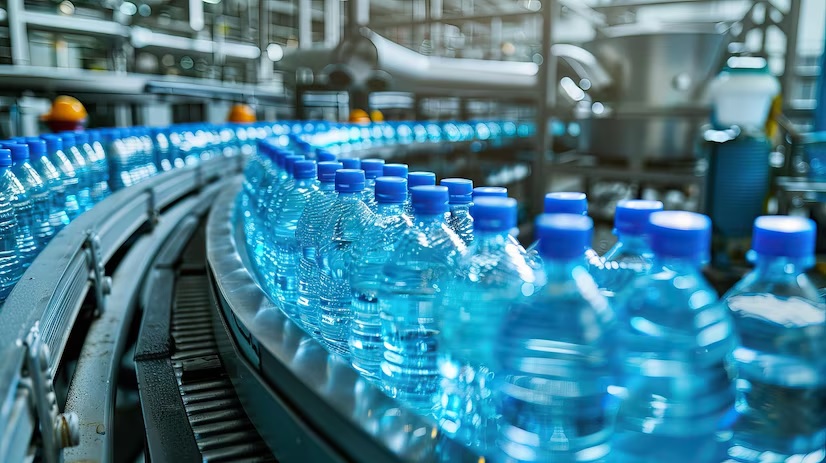
- Select Production Machinery: Key equipment includes water purification systems, bottle-making machines (blow molding), filling and capping machines, labeling machines, and packaging conveyors.
- Automation Advantages: Automated systems increase production speed, reduce labor costs, and ensure consistency in quality and output. Ensure that machinery is adaptable to different bottle sizes and designs.
5. Install Water Purification Systems
- Set Up Filtration Systems: Invest in filtration and reverse osmosis systems to meet purity standards and eliminate contaminants.
- Quality Assurance: Test water quality regularly to ensure it meets NAFDAC and international standards. A lab testing setup on-site is beneficial for continuous monitoring.
6. Establish Quality Control and Compliance Measures
- Quality Control Protocols: Implement automated quality checks at every stage. Bottles should undergo testing for water quality, proper sealing, labeling, and safety.
- Certifications: Obtain NAFDAC certification, which involves inspections and documentation of your factory’s adherence to health and safety standards.
7. Hire Skilled Technicians and Operatives
- Training for Equipment Operation: Skilled technicians are essential for the maintenance and smooth operation of automated machinery. Invest in regular training to keep the team updated on machine handling, troubleshooting, and safety.
- Local Workforce Development: Partner with local training institutes for a steady talent pipeline, especially for operational roles and maintenance.
8. Create a Strong Marketing and Distribution Strategy
- Develop a Brand: Build a recognizable brand with a clear message around purity and quality. Branding influences consumer trust, especially in the competitive water market.
- Distribution Channels: Set up distribution networks with retailers, supermarkets, and corporate clients. Consider partnerships with e-commerce platforms and delivery services.
9. Focus on Sustainability Practices
- Environmental Responsibility: Adopt eco-friendly practices, such as recyclable bottles and reduced plastic use. Consider an initiative for bottle recycling to appeal to environmentally conscious customers.
- Waste Management: Set up systems for managing and recycling waste water and plastic residues to reduce environmental impact.

Leave a Reply